
 Back
Back Sleep is vital for both children and parents. Discover why it matters for learning, mood, and health, and find simple changes that can help your family rest better.
Share


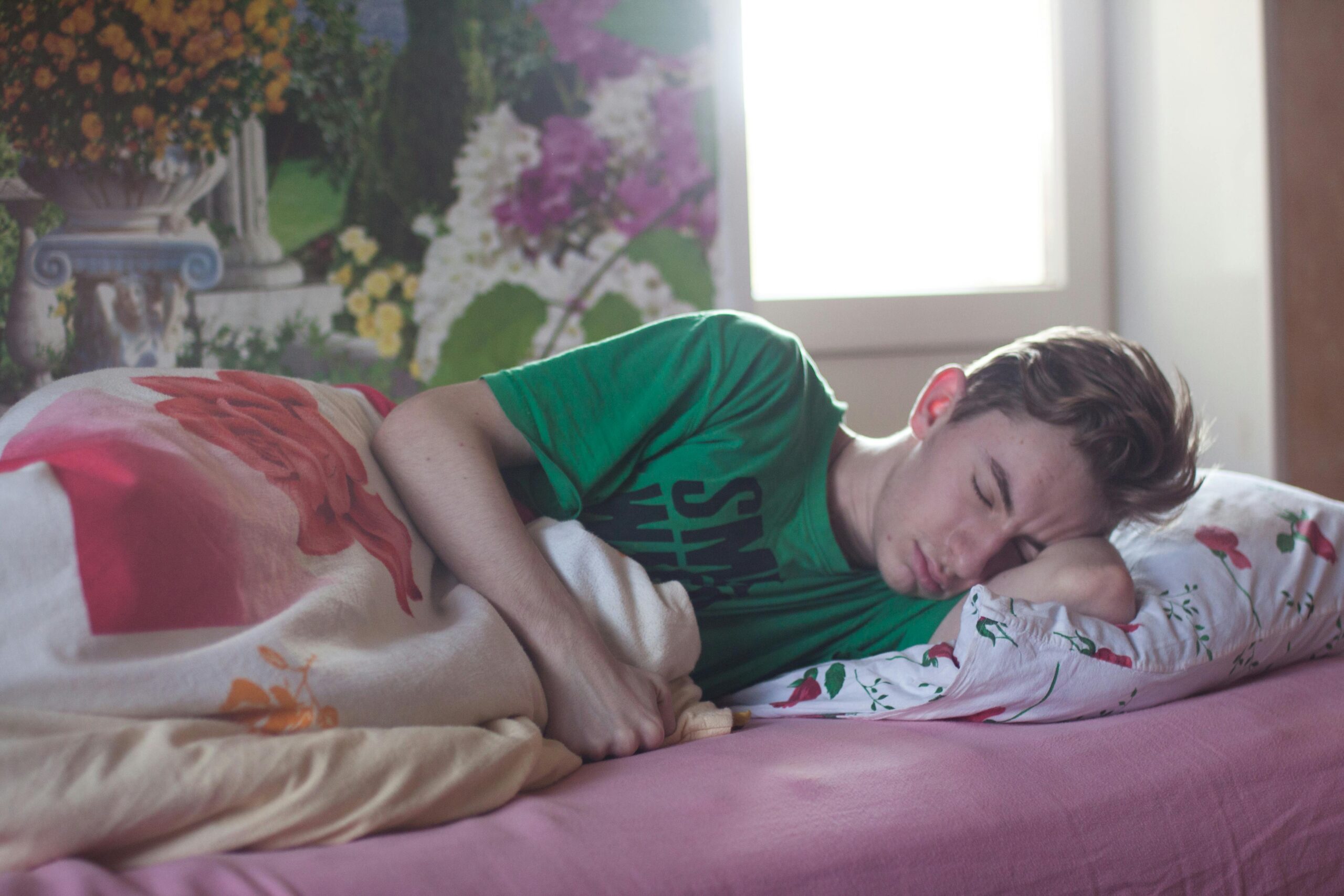
Sleep is one of the most important parts of health, yet it is often the first thing families lose when life gets busy. Children may struggle to fall asleep or wake in the night. Parents may stay up late to get jobs done and then feel tired the next day.
When the whole family is short on sleep, it can affect mood, learning and even long term health. The good news is that even small changes can help everyone sleep better.
This week, try one small change to improve sleep in your home. Whether it is turning off screens earlier or setting a regular bedtime, even one step can make a difference for children and parents.

Imagine feeling energised, motivated, and excited about healthy habits. It’s possible! Sign up for free today and discover delicious recipes, engaging challenges, and expert-backed advice that will transform your family’s well-being.
Bev Bowman
19th September 2025
Share


Family stress is normal, but small changes can make home life calmer. Here are some easy ways to reduce stress at home.

You do not need a gym to get active. Your area is full of free places to move more as a family, from riverside paths to local parks and playgrounds.

Walking to school is one small habit that can boost health, improve focus, and save money. Even one day a week can make mornings calmer and happier for your family.